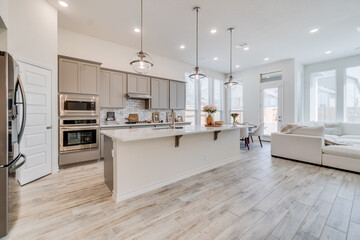
A kitchen remodel can completely change the atmosphere of a home, but many homeowners hesitate when they see the cost and disruption involved in a full renovation. Tearing out cabinets, replacing countertops, and redesigning layouts can quickly become expensive and time consuming. Fortunately, there is another option that delivers a dramatic visual transformation without removing the entire cabinet system. Cabinet Refacing Sacramento has become one of the most popular choices for modern kitchen remodels because it refreshes the appearance of existing cabinetry while preserving the original structure.
What Cabinet Refacing Means
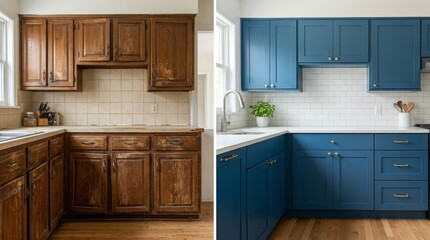
Cabinet refacing is the process of updating the visible exterior surfaces of kitchen cabinets while leaving the cabinet boxes in place. Instead of replacing the entire cabinet system, homeowners replace cabinet doors, drawer fronts, and exterior veneers to create a completely updated appearance.
This process allows kitchens to achieve a fresh and modern design without major demolition. The structural framework of the cabinets remains intact, which significantly reduces labor and material costs compared to full cabinet replacement.
Cabinet refacing is especially effective for kitchens where the existing cabinet layout still functions well but the appearance feels outdated. Older wood finishes, worn surfaces, and outdated styles can all be modernized through refacing without changing the kitchen’s overall footprint.
Why Cabinet Refacing Is Popular in Modern Remodels
Modern kitchen remodels often focus on clean lines, brighter colors, and functional simplicity. Cabinet refacing allows homeowners to achieve these modern design goals without completely rebuilding the kitchen.
One reason refacing has become so popular is because many older cabinets are still structurally strong. Solid wood cabinet boxes often remain durable for decades even when the exterior appearance becomes outdated. Refacing preserves this quality construction while delivering a completely refreshed look.
Another reason homeowners choose refacing is the reduced renovation time. Full cabinet replacement may take weeks and leave the kitchen unusable for extended periods. Refacing projects are often completed much faster, allowing families to return to normal kitchen use sooner.
Cost savings also make refacing appealing. Compared to complete replacement, cabinet refacing generally requires fewer materials and less labor while still creating a dramatic visual upgrade.
The Cabinet Refacing Process
The cabinet refacing process begins with evaluating the condition of the existing cabinets. Cabinets must be structurally sound for refacing to be effective. If the cabinet boxes are damaged, warped, or poorly constructed, replacement may be a better option.
Once the cabinets are inspected, the old cabinet doors, drawer fronts, and hardware are removed. The exposed cabinet box surfaces are then covered with new veneer or laminate materials that match the desired finish.
New cabinet doors and drawer fronts are installed afterward. Homeowners can choose from many modern styles including shaker cabinets, flat panel doors, minimalist designs, or contemporary textured finishes.
Updated hardware such as handles, knobs, and hinges is often added to complete the transformation. Soft close hinges and modern hardware designs are especially popular in contemporary kitchen remodels.
Modern Cabinet Styles for Refacing
One of the biggest advantages of cabinet refacing is the ability to completely change the kitchen style without altering the cabinet layout. Modern kitchen trends strongly influence the door styles and finishes homeowners choose during refacing projects.
Shaker style cabinets remain one of the most popular choices because they combine simplicity with timeless appeal. Their clean lines work well in both modern and transitional kitchens. Flat panel cabinet doors are also common in minimalist kitchens because they create sleek and uncluttered surfaces.
Two tone cabinet designs have become increasingly popular in modern remodels. Homeowners often choose lighter upper cabinets paired with darker lower cabinets to create visual contrast and depth.
Natural wood finishes are also returning in modern kitchens. Light oak, walnut, and textured wood veneers create warmth while maintaining a contemporary appearance. Matte finishes and smooth surfaces further contribute to modern design aesthetics.
Benefits of Cabinet Refacing Over Replacement
Cabinet refacing offers several important advantages compared to full replacement. One of the biggest benefits is affordability. Because the existing cabinet boxes remain in place, homeowners avoid many of the labor and material costs associated with demolition and reconstruction.
Reduced disruption is another major advantage. Full kitchen renovations can create dust, noise, plumbing interruptions, and weeks of inconvenience. Refacing projects are generally less invasive and often completed in a shorter time frame.
Refacing is also considered a more environmentally friendly option because fewer materials are discarded. Preserving existing cabinetry reduces waste and limits the demand for new raw materials.
Another important benefit is preserving the kitchen layout. Many homeowners are satisfied with their cabinet arrangement and simply want a more updated appearance. Refacing allows them to modernize the kitchen without redesigning storage or workflow.
Cabinet Refacing and Home Value
Kitchen upgrades often play a major role in increasing buyer interest and improving resale value. Cabinet refacing can help create a more modern and move in ready appearance that appeals to potential buyers.
Fresh cabinet finishes and updated door styles make kitchens feel cleaner and newer without requiring full renovation expenses. Buyers frequently respond positively to kitchens that appear updated because they associate them with lower future maintenance costs.
Neutral finishes such as white, gray, and soft natural wood tones tend to appeal to the widest range of buyers. Updated hardware and soft close features also contribute to a more polished and contemporary impression.
While cabinet refacing may not increase home value as dramatically as a complete luxury remodel, it often provides a strong return relative to the cost of the project. For many homeowners, it offers one of the most cost effective kitchen improvements available.
Choosing Materials for Cabinet Refacing
The materials selected during cabinet refacing greatly influence durability and appearance. Veneers are commonly used to cover existing cabinet surfaces and are available in wood, laminate, and thermofoil options.
Wood veneers provide a natural and authentic appearance while maintaining warmth and texture. They work especially well in transitional and modern organic kitchen styles. Laminate materials offer strong durability and come in a wide variety of colors and patterns.
Thermofoil cabinet doors create smooth and seamless finishes that are often used in contemporary kitchens. These surfaces are easy to clean and available in many modern colors and textures.
Hardware selection is equally important. Matte black, brushed nickel, and stainless steel finishes remain among the most popular choices for modern kitchens because they complement a wide range of cabinet colors and appliances.
Cabinet Refacing Versus Cabinet Refinishing
Many homeowners compare cabinet refacing with cabinet refinishing when planning a kitchen remodel. Although both methods improve cabinet appearance, they involve different approaches.
Cabinet refinishing focuses on restoring and repainting or staining the existing cabinet doors and surfaces. Refacing, on the other hand, replaces cabinet doors and drawer fronts entirely while applying new exterior coverings to the cabinet boxes.
Refacing usually provides a more dramatic transformation because it allows homeowners to change door styles completely. Refinishing is often more affordable but works best when homeowners are satisfied with the current cabinet design and only want updated color or finish.
The choice between refacing and refinishing depends on budget, design goals, and the condition of the existing cabinetry.
Modern Features Often Added During Refacing
Many homeowners take the opportunity to add modern convenience features during cabinet refacing projects. Soft close hinges and drawer slides are especially common because they improve functionality and reduce wear over time.
Pull out shelving, built in organizers, and hidden storage solutions may also be incorporated into the existing cabinet structure. These upgrades improve both organization and accessibility without requiring complete cabinet replacement.
Under cabinet lighting is another popular addition during modern kitchen remodels. Improved lighting enhances both functionality and atmosphere while highlighting the updated cabinet finishes.
Glass cabinet inserts, open shelving sections, and floating design elements may also be introduced to create a more contemporary and visually open kitchen design.
Is Cabinet Refacing the Right Choice?
Cabinet refacing is an excellent choice for homeowners who want a modern kitchen appearance without the expense and disruption of full replacement. It works especially well when the cabinet structure remains strong and the kitchen layout still functions effectively.
However, refacing may not be suitable for cabinets with severe structural damage or poor quality construction. If the layout no longer meets storage or workflow needs, replacement may provide better long term value.
For many kitchens, though, cabinet refacing offers the perfect balance between affordability, visual transformation, and convenience. It allows homeowners to modernize the heart of the home while preserving much of the original structure and functionality.
Conclusion
Cabinet refacing has become one of the most practical solutions for modern kitchen remodels because it combines affordability, efficiency, and dramatic visual improvement. By replacing cabinet doors, drawer fronts, and exterior surfaces, homeowners can achieve a completely refreshed kitchen appearance without full demolition or replacement.
Modern cabinet styles, updated hardware, and contemporary finishes allow older kitchens to feel brighter, cleaner, and more functional while preserving the existing cabinet structure. The reduced renovation time and lower costs compared to full replacement make refacing especially appealing for homeowners seeking meaningful upgrades within a manageable budget.
For kitchens with solid cabinet construction and functional layouts, cabinet refacing offers a smart and stylish path toward achieving a modern kitchen transformation that enhances both appearance and long term value.