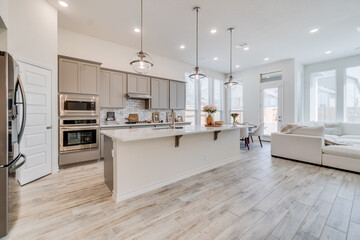
The moment you step into your kitchen, you can feel whether it still works for your lifestyle or not. Maybe the layout feels cramped, the cabinets look outdated, or the space simply does not inspire you anymore. A kitchen is more than a place to cook. It is where daily routines begin and where people gather. When it no longer feels right, remodeling becomes more than a want. It becomes a meaningful upgrade to how you live.
Kitchen Remodeling Lexington KY is one of the most impactful home improvements you can make. It can improve functionality, increase property value, and completely transform the atmosphere of your space. Understanding what goes into a remodel helps you make informed decisions and plan a project that fits your needs and budget.
Understanding What Kitchen Remodeling Involves
Kitchen remodeling refers to updating or redesigning the layout, structure, and features of a kitchen to improve both appearance and functionality. It can range from small updates to full renovations that involve changing the entire layout.
A minor remodel may include updating cabinets, replacing countertops, or installing new fixtures. These changes refresh the look without altering the structure. A major remodel, on the other hand, may involve removing walls, changing the layout, or upgrading plumbing and electrical systems.
The scope of the project depends on your goals. Some homeowners want a modern design, while others focus on improving storage or workflow. Understanding your priorities is the first step in planning a successful remodel.
Key Elements of a Kitchen Remodel
Several core components define the outcome of a kitchen remodeling project. Cabinets are often the most noticeable feature and play a major role in both storage and design. Updating or refinishing cabinets can dramatically change the look of the space.
Countertops are another important element. Materials such as stone, wood, or engineered surfaces each offer different benefits in terms of durability and appearance. Choosing the right material depends on how the kitchen is used.
Appliances also play a central role. Modern appliances can improve efficiency and functionality while contributing to a cleaner design. Upgrading appliances is often part of a remodel to ensure consistency with the overall style.
Lighting is sometimes overlooked but has a significant impact. Proper lighting enhances visibility and creates a more inviting atmosphere. Combining task lighting with ambient lighting helps achieve balance.
Flooring and backsplashes complete the design. These elements add texture and color, tying the entire space together. Each component contributes to the overall transformation.
Planning Your Kitchen Remodeling Project
Planning is one of the most important stages of kitchen remodeling. A clear plan helps avoid delays, unexpected costs, and design inconsistencies.
The process begins with defining your goals. Consider how you use your kitchen and what improvements would make it more functional. This could include better storage, more counter space, or an improved layout.
Budget planning is equally important. Setting a realistic budget helps guide decisions and ensures that the project stays on track. It is helpful to allocate funds for materials, labor, and unexpected expenses.
Design planning involves selecting styles, colors, and materials that align with your vision. Creating a cohesive design ensures that all elements work together harmoniously.
Working with professionals can also be beneficial. Designers and contractors can provide valuable insights and help bring your ideas to life.
Popular Kitchen Remodeling Styles
Kitchen design trends continue to evolve, offering a variety of styles to suit different preferences. Modern kitchens often feature clean lines, minimal details, and neutral color palettes. This style emphasizes simplicity and functionality.
Traditional kitchens focus on classic elements such as detailed cabinetry and warm tones. They create a timeless and inviting atmosphere that remains popular over time.
Transitional designs blend modern and traditional elements. This style offers flexibility and balance, making it suitable for a wide range of preferences.
Open concept kitchens have gained popularity for their ability to create a more spacious and connected environment. Removing barriers between the kitchen and living areas allows for better interaction and flow.
Choosing a style that reflects your taste ensures that the remodeled kitchen feels comfortable and personalized.
The Cost of Kitchen Remodeling
One of the most common questions about kitchen remodeling is how much it costs. The answer varies depending on the size of the project and the materials used.
A minor remodel may cost a few thousand dollars, especially if it involves cosmetic updates. A mid range remodel can cost significantly more, while a high end renovation with custom features can reach tens of thousands.
Factors that influence cost include the size of the kitchen, the quality of materials, and the complexity of the design. Labor costs also play a major role, particularly for projects that involve structural changes.
It is important to plan for unexpected expenses. Setting aside a portion of the budget for contingencies helps manage surprises during the project.
Understanding the cost structure allows you to make informed decisions and prioritize what matters most.
Timeline and What to Expect During the Process
The timeline for a kitchen remodel depends on the scope of the project. Smaller updates can be completed in a few weeks, while larger renovations may take several months.
The process typically begins with design and planning, followed by demolition and preparation. This stage involves removing old materials and preparing the space for new installations.
Next comes the installation phase, where cabinets, countertops, appliances, and other elements are added. This stage requires coordination to ensure that everything fits and functions properly.
The final stage involves finishing touches such as painting, installing fixtures, and cleaning the space. This is where the transformation becomes fully visible.
Being prepared for temporary disruptions is important. Remodeling can affect daily routines, but the end result often makes the process worthwhile.
Benefits of Remodeling Your Kitchen
Kitchen remodeling offers a range of benefits that go beyond aesthetics. One of the most significant advantages is improved functionality. A well designed kitchen makes daily tasks easier and more efficient.
Another benefit is increased property value. A modern and well maintained kitchen is often a key factor for potential buyers, making it a valuable investment.
Energy efficiency can also be improved through updated appliances and lighting. This can reduce utility costs over time while contributing to a more sustainable home.
Remodeling also enhances comfort and enjoyment. A space that reflects your style and meets your needs creates a more pleasant environment for cooking and gathering.
These benefits make kitchen remodeling one of the most rewarding home improvement projects.
Tips for a Successful Kitchen Remodel
A successful kitchen remodel requires careful planning and attention to detail. Start by setting clear goals and priorities to guide your decisions.
Choose materials that balance durability and style. High quality materials may cost more upfront but often provide better long term value.
Communication with professionals is essential. Clear expectations and regular updates help ensure that the project stays on track.
Flexibility is also important. Unexpected challenges may arise, and being open to adjustments can help keep the project moving forward.
Taking the time to plan and execute each step carefully leads to a smoother and more satisfying remodeling experience.
Final Thoughts
Kitchen remodeling is more than just an upgrade. It is an opportunity to create a space that reflects your lifestyle, improves functionality, and enhances the overall feel of your home. Whether you are making small updates or undertaking a complete renovation, the impact of a well designed kitchen can be significant.
By understanding the process, planning carefully, and choosing the right elements, you can achieve a transformation that meets both your practical needs and design goals. A remodeled kitchen not only improves daily living but also adds lasting value to your home.
In the end, a successful kitchen remodel is one that brings together style, efficiency, and comfort. It is a space where functionality meets creativity, resulting in a kitchen that feels both new and uniquely yours.