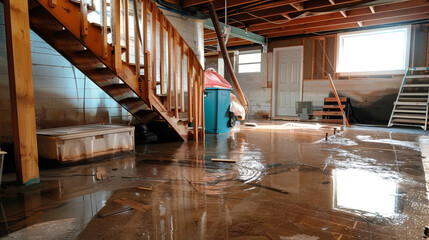
It only takes a small amount of water to create a big problem. A hidden leak, a burst pipe, or even a sudden storm can leave behind more than just visible puddles. Water seeps into floors, walls, and furniture, quietly causing damage that worsens over time.
At first glance, everything might seem manageable, but beneath the surface, moisture can lead to structural issues and unwanted growth. This is where water damage restoration becomes essential, offering a structured approach to bringing a property back to its original condition. Visit https://www.allproutah.com for more information.
Understanding Water Damage Restoration
Water damage restoration is the process of cleaning, drying, repairing, and restoring a property that has been affected by water intrusion. The goal is not only to remove visible water but also to address hidden moisture that can lead to long term problems. This process requires careful assessment and the use of specialized techniques to ensure that all affected areas are properly treated.
The severity of water damage can vary depending on the source and duration of exposure. Clean water from a minor leak may cause less harm than contaminated water from flooding. Regardless of the source, prompt action is critical to minimize damage and reduce the risk of further complications.
Restoration involves more than just drying out the space. It includes identifying damaged materials, preventing the spread of moisture, and restoring the property to a safe and functional state. This comprehensive approach ensures that the issue is fully resolved rather than temporarily addressed.
Common Causes of Water Damage
Water damage can occur in many different ways, often when least expected. Plumbing issues are among the most common causes. A leaking pipe or faulty fixture can release water slowly over time, leading to hidden damage that may go unnoticed until it becomes severe.
Weather related events can also contribute to water damage. Heavy rain, storms, or flooding can overwhelm drainage systems and allow water to enter a property. Roof leaks are another potential source, especially when materials become worn or damaged.
Appliance malfunctions are another frequent cause. Devices that use water, such as washing machines or water heaters, can fail and release large amounts of water in a short period. Identifying these risks and addressing them early can help prevent significant damage.
The Initial Assessment and Inspection
The first step in water damage restoration is a thorough inspection of the affected area. This stage is crucial for determining the extent of the damage and developing an effective plan for recovery. Professionals use tools to detect moisture levels, even in areas that are not visibly wet.
During the assessment, the source of the water is identified and addressed to prevent further intrusion. This may involve repairing a leak or ensuring that external water sources are properly managed. Without resolving the source, restoration efforts may be ineffective.
The inspection also helps categorize the type of water involved and the level of contamination. This information guides the cleaning and restoration process, ensuring that appropriate measures are taken to protect both the property and its occupants.
Water Removal and Extraction
Once the assessment is complete, the next step is removing standing water from the property. This process is known as extraction and is essential for preventing further damage. The longer water remains, the more it can seep into materials and cause deterioration.
Specialized equipment is used to remove water quickly and efficiently. This helps reduce the overall impact and prepares the space for the next stages of restoration. Fast removal is especially important in areas where materials can absorb moisture easily, such as carpets and wood.
Removing water is only the beginning. Even after visible water is gone, moisture can remain trapped within structures. This is why additional steps are necessary to ensure complete drying.
Drying and Dehumidification
Drying is one of the most critical stages in water damage restoration. After extraction, the focus shifts to eliminating any remaining moisture. This process involves the use of air movement and humidity control to create conditions that promote drying.
Dehumidification plays a key role in this stage. By reducing the amount of moisture in the air, it helps prevent condensation and further absorption into materials. This ensures that the drying process is thorough and effective.
Monitoring is important during this phase. Regular checks help confirm that moisture levels are decreasing and that no areas are being overlooked. Proper drying reduces the risk of structural damage and prevents issues that can arise from lingering moisture.
Cleaning and Sanitizing the Affected Area
Once the property is dry, the next step is cleaning and sanitizing. Water damage can introduce contaminants, especially if the source of water is not clean. Proper cleaning ensures that the environment is safe and free from harmful substances.
Different surfaces require different cleaning methods. Some materials may need to be treated with specialized solutions to remove bacteria and odors. Soft materials, such as fabrics, may require more intensive cleaning or replacement depending on the level of damage.
Sanitizing also helps eliminate any lingering odors caused by moisture. This step is essential for restoring the comfort and livability of the space. A clean and sanitized environment supports a full recovery from water damage.
Repairing and Restoring the Property
The final stage of water damage restoration involves repairing and restoring the property. This may include replacing damaged materials, repainting walls, or repairing structural elements. The goal is to return the space to its original condition or better.
The extent of repairs depends on the severity of the damage. Minor issues may require simple fixes, while more extensive damage may involve larger reconstruction efforts. Regardless of the scope, attention to detail ensures a high quality result.
Restoration also provides an opportunity to address underlying issues and improve the resilience of the property. This can help prevent future problems and enhance the overall durability of the space.
Preventing Future Water Damage
Preventing water damage is an important part of maintaining a property. Regular inspections and maintenance can help identify potential risks before they become serious issues. Checking plumbing systems, roofs, and appliances can reduce the likelihood of unexpected problems.
Proper drainage and water management are also essential. Ensuring that water flows away from the property helps protect the structure from damage. Simple measures, such as sealing gaps and maintaining gutters, can make a significant difference.
Being prepared for emergencies is another key factor. Knowing how to respond quickly to water intrusion can minimize damage and make the restoration process easier. Taking proactive steps helps protect both the property and its occupants.
Conclusion
Water damage restoration is a comprehensive process that addresses the immediate and long term effects of water intrusion. From initial assessment and water removal to drying, cleaning, and repair, each step plays a vital role in restoring a property to its original condition. Acting quickly and following a structured approach helps minimize damage and ensures a successful recovery. By understanding the process and taking preventative measures, property owners can better protect their spaces and maintain a safe and comfortable environment.